Friction coefficient of rubber seals
Feb 22, 2022
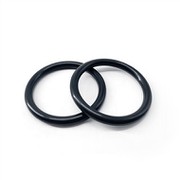
As seals, rubber and plastic materials often rely on the interference of these materials to achieve sealing, and this interference will cause wear in hydraulic and pneumatic seals (such as tie rod seals, piston seals), which will lead to seal failure and A key factor in determining the service life of a seal. The degree of this wear depends not only on the radial pressure on the rubber parts (by the interference of the seal and the fluid pressure), but also on the friction coefficient of these seal materials.
The wear of the seal under the same radial pressure mainly depends on the friction coefficient of the sealing material. The friction coefficient is small, the frictional heat generation effect is small, the wear amount is small, and the service life of the seal is long; and vice versa. Since the coefficient of friction of nitrile rubber is 1.5, the coefficient of friction of traditional polyester polyurethane is 0.9, and the coefficient of friction of tempered polyether polyurethane is only 0.18, which are one-eighth and five points of nitrile rubber and traditional polyester polyurethane, respectively. Therefore, its wear amount is much smaller than that of traditional sealing materials, which provides a necessary guarantee for the long service life of tempered polyether polyurethane.